
Process cooling
Chilled-fluid and refrigeration systems serving production equipment, process loads, testing, storage, and temperature-critical operations.
Request this service →Industrial HVAC/R
Industrial HVAC/R, process cooling, chillers, refrigeration, controls, and critical mechanical support for Arizona facilities.
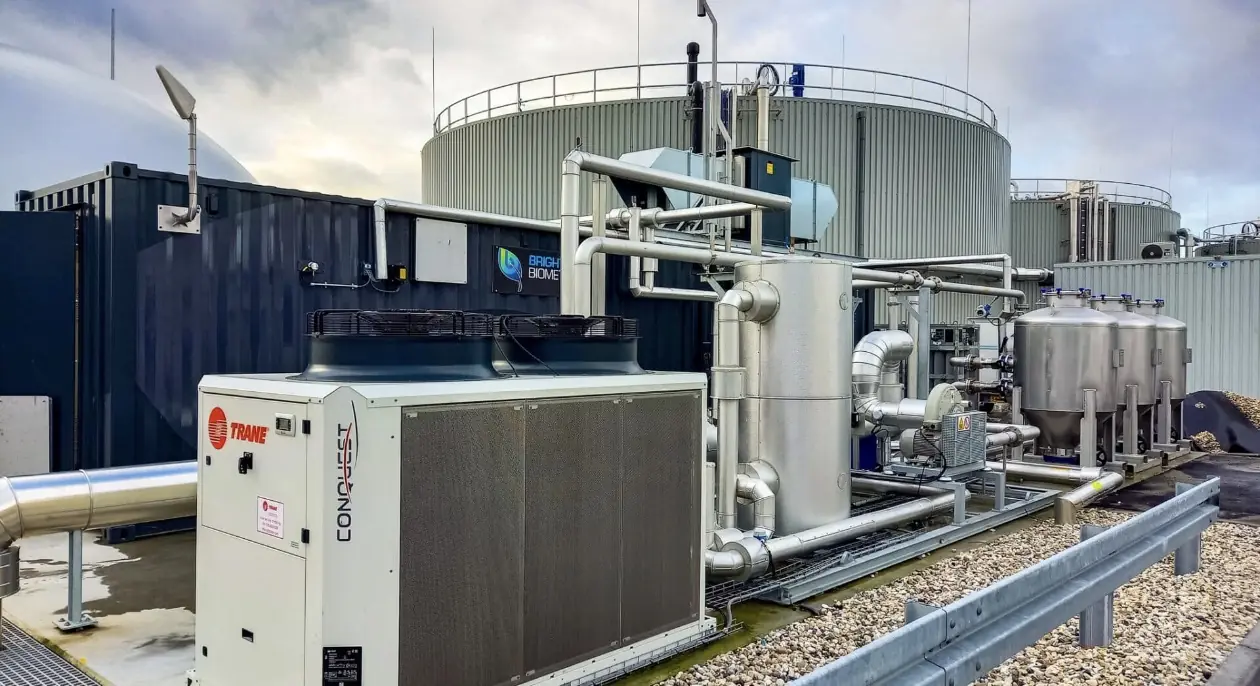
Operations define the requirement
We plan industrial HVAC/R work around production schedules, process temperatures, clean-space requirements, backup capacity, and recovery time. Reviewing those needs alongside the equipment helps your team choose repairs and shutdown windows.
Scope of service
Chilled-fluid and refrigeration systems serving production equipment, process loads, testing, storage, and temperature-critical operations.
Request this service →Large air systems, make-up air, exhaust, ventilation, filtration, pressurization, comfort, and environmental-control equipment.
Request this service →Chillers, cooling towers, fluid coolers, pumps, hydronic loops, controls, and plant-level performance.
Request this service →Condensing systems, evaporators, process circuits, specialty low-temperature equipment, and connected heat rejection.
Request this service →Point-to-point review, sequences, sensors, actuators, trends, alarms, communications, and practical control optimization.
Request this service →Mechanical assessment and service planned around uptime, redundancy, controlled environments, recovery time, and operating risk.
Request this service →Equipment & AZ Sky field work
Process cooling, field controls, electrical coordination, compressors, and large mechanical equipment serving active facilities.
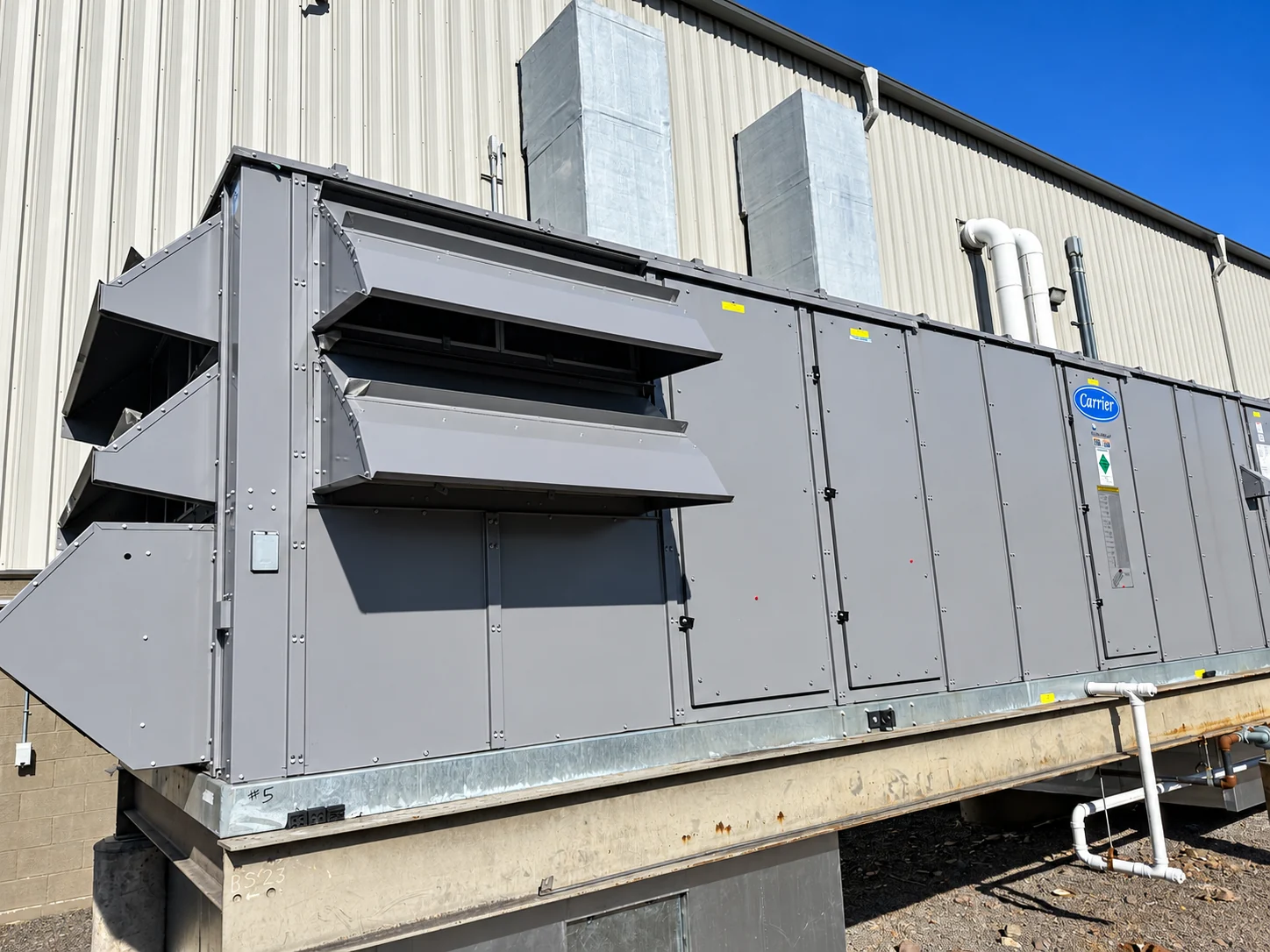
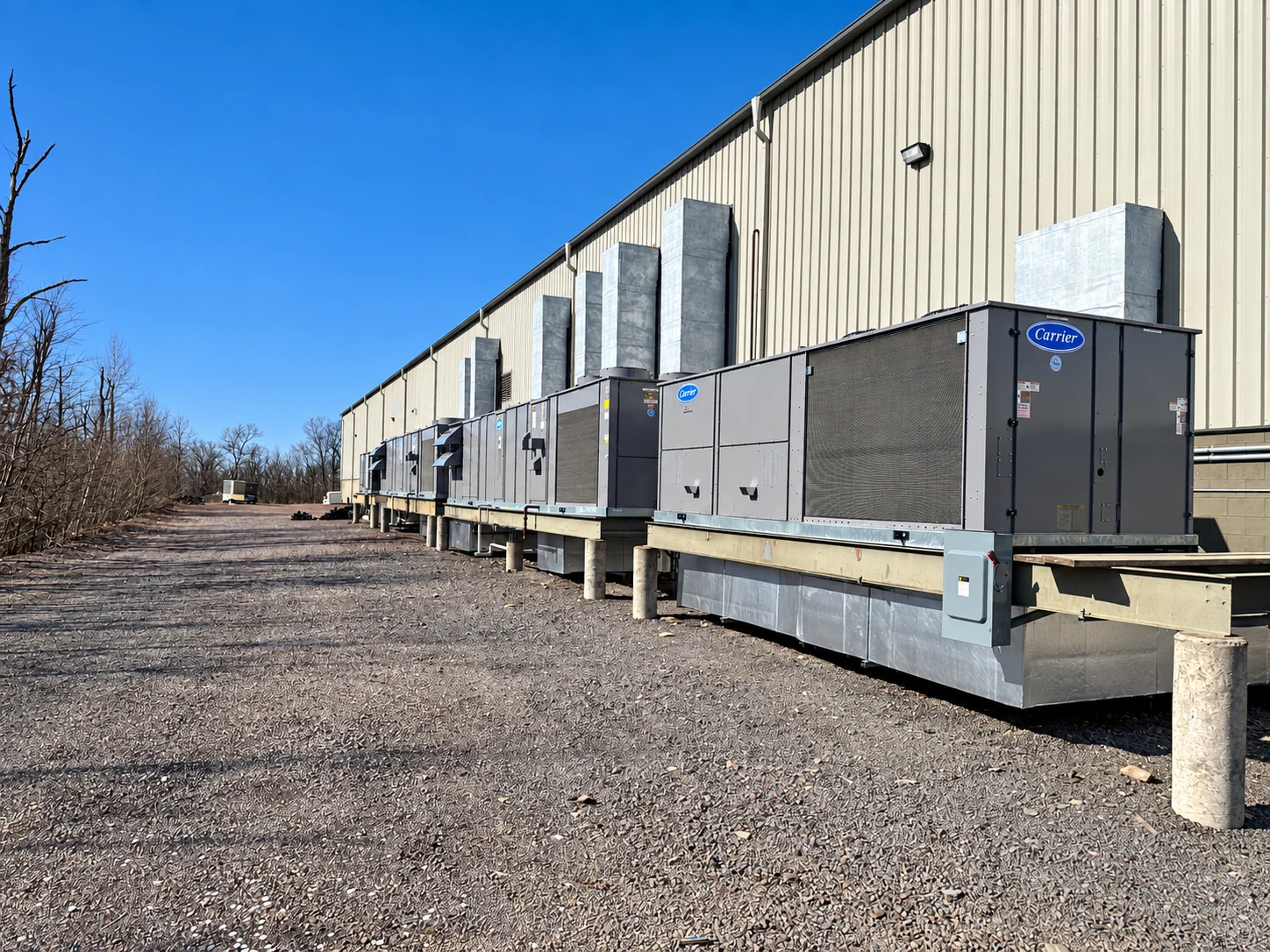
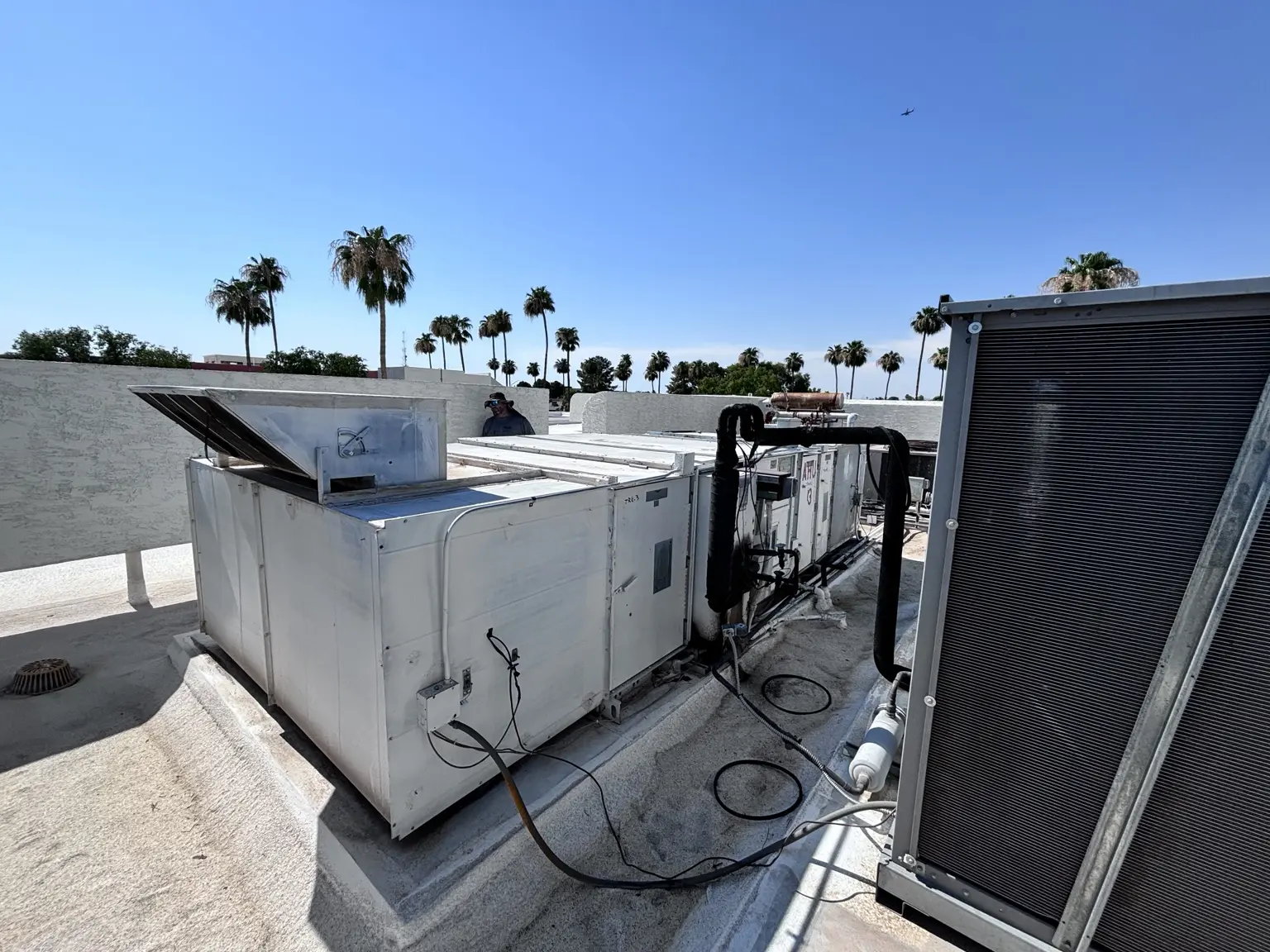
 AZ Sky Mechanical field work
At the equipment
The useful answer is not simply that an alarm occurred. It is why capacity, flow, temperature, or sequence broke down under the operating condition—and what will keep it stable.
How we approach the work
Document process temperature, flow, air, pressure, humidity, cleanliness, load, redundancy, and recovery requirements.
Understand how chillers, refrigeration, air systems, pumps, power, water, controls, and production equipment interact.
Build corrective work around shutdown windows, contingency, materials, commissioning, and a controlled return to production.
Common questions
Have a system-specific question? Call the office and tell us what equipment you are working with.
Phoenix metro service
From urgent repairs to planned maintenance, AZ Sky Mechanical keeps your systems running. Call us today—we’re here to help.